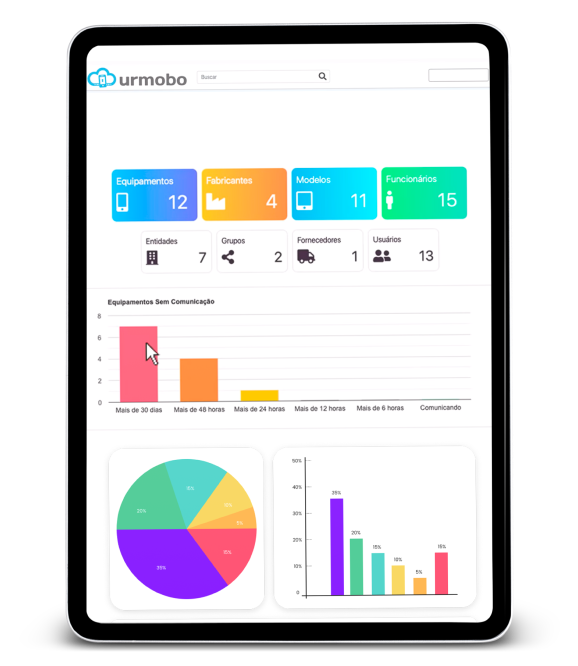
All your organization's devices, one point of control
With Urmobo, manage every device in your organization simply and securely from a single platform. Provision, configure, monitor and protect your fleet — whether company-owned equipment or personal devices under BYOD — and keep your business always connected and productive.
Supported platforms
 Android Enterprise Recommended EMM solution, validated by Google
A single console for the whole fleet
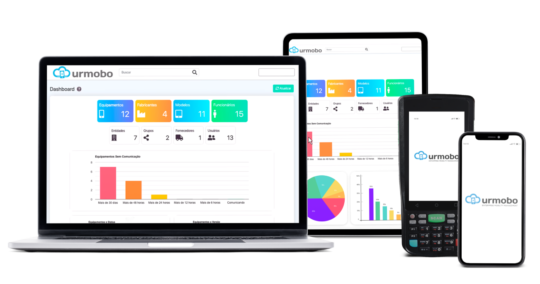
From a web dashboard, IT provisions devices, distributes and updates apps and content in bulk, enforces usage policies and reviews the inventory and status of every device in real time. Dashboards and reports show data usage, compliance and devices that have stopped communicating, so you can act before a problem affects operations.

One control for every device type
Android and ChromeOS smartphones and tablets, rugged terminals, scanners and production-line devices, kiosks and displays. Dedicated (kiosk) mode, a work profile for BYOD and zero‑touch provisioning to roll out hundreds of ready-to-use devices.
 AI-powered
Revolutionize mobile device management with the power of ODIN AI
ODIN is more than an advanced virtual assistant. It is AI-powered technology from Urmobo that brings together intelligent resources to run tasks, boost your IT team's overall efficiency and transform the way users interact with your business.
Learn more
How Urmobo benefits your company

Save time: configure and update apps and content across many devices at once, from a single central console.

Avoid device loss with continuous inventory tracking and location tracking to find and protect misplaced equipment.

Cut service costs and increase uptime by resolving issues through remote access, without sending a technician on site.

Boost user productivity by blocking games and unauthorized sites through usage policies.